


You've just finished painting a room, stepped back to admire the work - and noticed something's off. Certain patches on the wall look shinier than others. Some areas seem duller. The colour is consistent, but the way the surface reflects light isn't. What you're looking at is paint flashing on walls, and it's one of the most frustrating results a paint job can produce.
The good news is that paint flashing is a well-understood problem with clear causes and reliable solutions. Whether you're dealing with it right now or trying to avoid it on an upcoming project, this guide covers everything you need to know.
For a look at what a properly prepared and executed interior paint job involves, the Pro Works interior painting services page is a helpful starting point.
Paint flashing refers to an uneven sheen across a painted surface - where some areas appear glossier or more reflective than others, even though the same paint and colour was used throughout. It doesn't necessarily mean the colour is patchy or streaky. The tone can look perfectly consistent in low light. But when natural light or overhead lighting hits the wall at an angle, the sheen variations become very visible.
It's particularly common on interior walls and is one of the more difficult finish problems to catch during the painting process itself - because it often only becomes apparent once the paint has fully dried and the room is lit properly.
.png)
Paint flashing on walls can happen for several reasons, and in many cases more than one factor is at play.
Uneven surface porosity. This is the most common cause. When a wall has been patched or repaired, the spackle, joint compound, or drywall mud absorbs paint at a different rate than the surrounding surface. Without primer sealing those areas first, the repaired spots pull more paint into them, drying with a flatter, duller appearance - while the rest of the wall dries with a more consistent sheen.
Skipping or skimping on primer. Primer creates a uniform base that evening out the surface's ability to absorb paint. Without it - or without spot-priming repaired areas specifically - the wall ends up with pockets of high absorption and low absorption, which show up as sheen variation once the topcoat dries.
Inconsistent application technique. When the cut-in work along edges and corners dries before the rolled sections catch up to it, the two areas cure separately rather than blending together. This difference in drying conditions can create a visible line between the brushed and rolled sections - a very common source of paint flashing on walls.
Losing the wet edge. Professional painters work in a way that keeps paint edges wet so each new stroke blends seamlessly with the last. When paint is allowed to dry before the next section is applied beside it, the overlap creates a visible difference in film thickness and sheen.
Poor quality paint or tools. Lower-grade paints can apply unevenly, with some areas receiving thicker coverage than others. Similarly, worn or low-quality rollers can deposit paint inconsistently, leading to thin spots that dry differently from well-coated areas.
Touch-up work over old paint. Spot touch-ups are a frequent culprit. Even when the colour matches perfectly, fresh paint applied to a small area on an older wall often dries with a slightly different sheen - because the new paint is sitting on a different surface condition than the surrounding area.
The fix depends on how severe the flashing is and what caused it. Here are the most effective approaches.
Apply a second full coat. For mild flashing caused by application technique or a single undercoat, adding a second full coat of paint - applied consistently from wall break to wall break - can even out the sheen across the surface. The key is painting the entire section rather than just the affected spot, and maintaining a wet edge throughout.
Spot-prime and repaint. If the flashing is concentrated around repaired areas, lightly sand those spots, apply a quality stain-blocking or PVA primer to the affected patches, let it dry fully, and then repaint the entire wall. According to Sherwin-Williams, spot-priming porous areas and applying an additional coat is the recommended approach for evening out sheen irregularities.
Sand lightly before repainting. For flashing caused by uneven film thickness, a light sand across the affected area can level the surface before a fresh coat is applied. This helps reduce the high spots that catch light differently and gives the new coat a more even surface to adhere to.
Repaint the full wall. When flashing is widespread or touch-up spots are the issue, the most reliable solution is to repaint the entire wall from corner to corner. A seamless result is much easier to achieve when you're working with full, uninterrupted wall sections rather than trying to blend patches into an existing finish.
One thing that won't work: simply touching up the flashing spot with a small amount of the same paint. The sheen difference will remain, and the touched-up area will often become just as visible as the original problem.
.png)
Like most finish problems, paint flashing on walls is much easier to prevent than to fix after the fact.
Prepare the surface thoroughly. Clean the wall before painting to remove dust, grease, and residue that can interfere with adhesion and cause uneven absorption. If there are repaired areas, make sure they're sanded smooth and flush with the surrounding wall.
Always prime repaired areas. Any patched spots, drywall repairs, or freshly skimmed areas should be primed before the topcoat goes on. This is non-negotiable for a consistent finish. Without primer, those areas will almost always flash.
Cut in and roll in sequence. The correct technique is to cut in along edges and then roll out immediately - before the cut-in paint has a chance to dry. This keeps the edges wet and allows the brushed and rolled areas to blend naturally. You can learn more about how professional painters approach this as part of the Pro Works process.
Keep a wet edge at all times. Work in manageable sections and move at a pace that ensures each stroke overlaps with still-wet paint. Allowing paint to dry mid-wall before continuing is a reliable way to create flashing.
Use two coats. A single coat is rarely sufficient for a truly even finish. Two coats - each applied consistently and allowed to dry properly in between - give you a much more uniform result and dramatically reduce the chance of sheen variation.
Choose quality paint. Premium paints are formulated for more consistent application and coverage. The investment pays off in a smoother, more even finish that's less prone to flashing.
Paint flashing on walls is one of the most frequent complaints that homeowners have after attempting their own paint jobs - and it makes sense. The techniques that prevent it, like maintaining a wet edge, cutting in and rolling in the right sequence, and properly priming patches, aren't obvious to someone who hasn't done a lot of painting.
It's also easy to underestimate how much surface preparation matters. Painting over a wall that hasn't been properly cleaned or primed is one of the fastest ways to end up with a result that looks fine at first but reveals problems once the paint cures and the lighting changes.
Browsing completed Pro Works projects gives a clear sense of what a properly prepared and executed finish actually looks like.
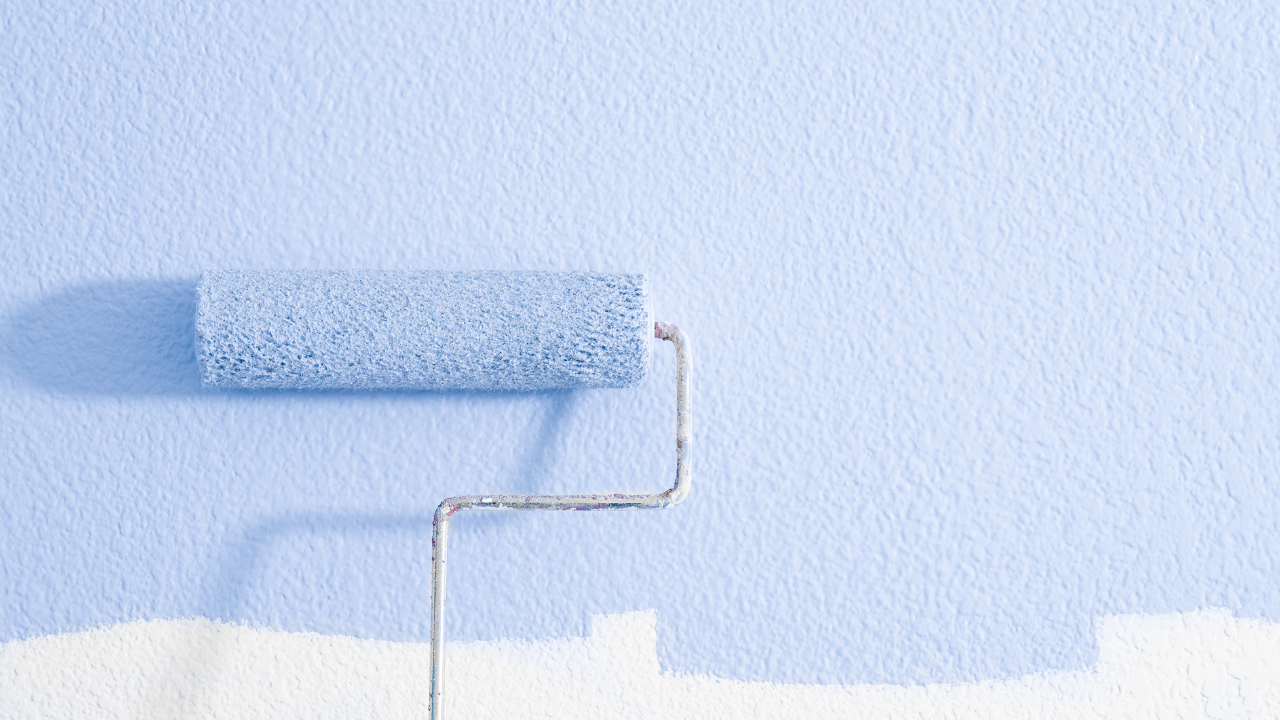
Paint flashing on walls is frustrating precisely because it's so visible - and because it often only reveals itself once the job seems done. But it's a solvable problem, and in most cases it comes down to preparation and technique rather than anything more complicated.
If you're dealing with paint flashing in your home right now, or if you want to make sure your next interior project is done right the first time, the Pro Works team is happy to help. Reach out for a free quote and let's talk through what your walls need.
What does paint flashing on walls look like?
Paint flashing appears as patches of uneven sheen across a painted surface - some areas look shinier or more reflective than others, even though the same paint was used throughout. It's often most visible when light hits the wall at an angle, particularly in rooms with natural daylight or directional overhead lighting.
Is paint flashing the same as patchy paint?
Not exactly. Patchy paint typically refers to uneven colour coverage, where the old colour or surface shows through. Paint flashing is specifically about sheen variation - the colour can look perfectly consistent while the reflectivity of the surface still varies noticeably.
Can I fix paint flashing with a touch-up?
No - spot touch-ups will not fix flashing and often make it more visible. The fresh paint dries in a different condition than the surrounding surface, creating a new sheen variation. The affected section, or ideally the full wall, needs to be repainted.
Does primer really make a difference for preventing flashing?
Yes, significantly. Primer creates a consistent base across the surface, reducing the difference in how porous and non-porous areas absorb paint. Skipping primer - especially on patched or repaired areas - is one of the leading causes of paint flashing on walls.
When should I call a professional about paint flashing?
If flashing is widespread, if previous repair attempts haven't resolved it, or if you're not confident about diagnosing the cause, a professional painter can assess the surface and recommend the right approach. Getting it right the second time is far less work than attempting a third fix.